
Hidden water waste shows up on the bill. Hidden leaks show up as damage.
Running fixtures, overnight flow and slow leaks add cost every month. A failed pipe can close suites, interrupt tenants and start a long repair. SWS combines leak detection, flow monitoring, submetering and shutoff options so your team sees unusual water use sooner and knows what to do next.
Office · Industrial · Retail · Condominium · Multi-residential
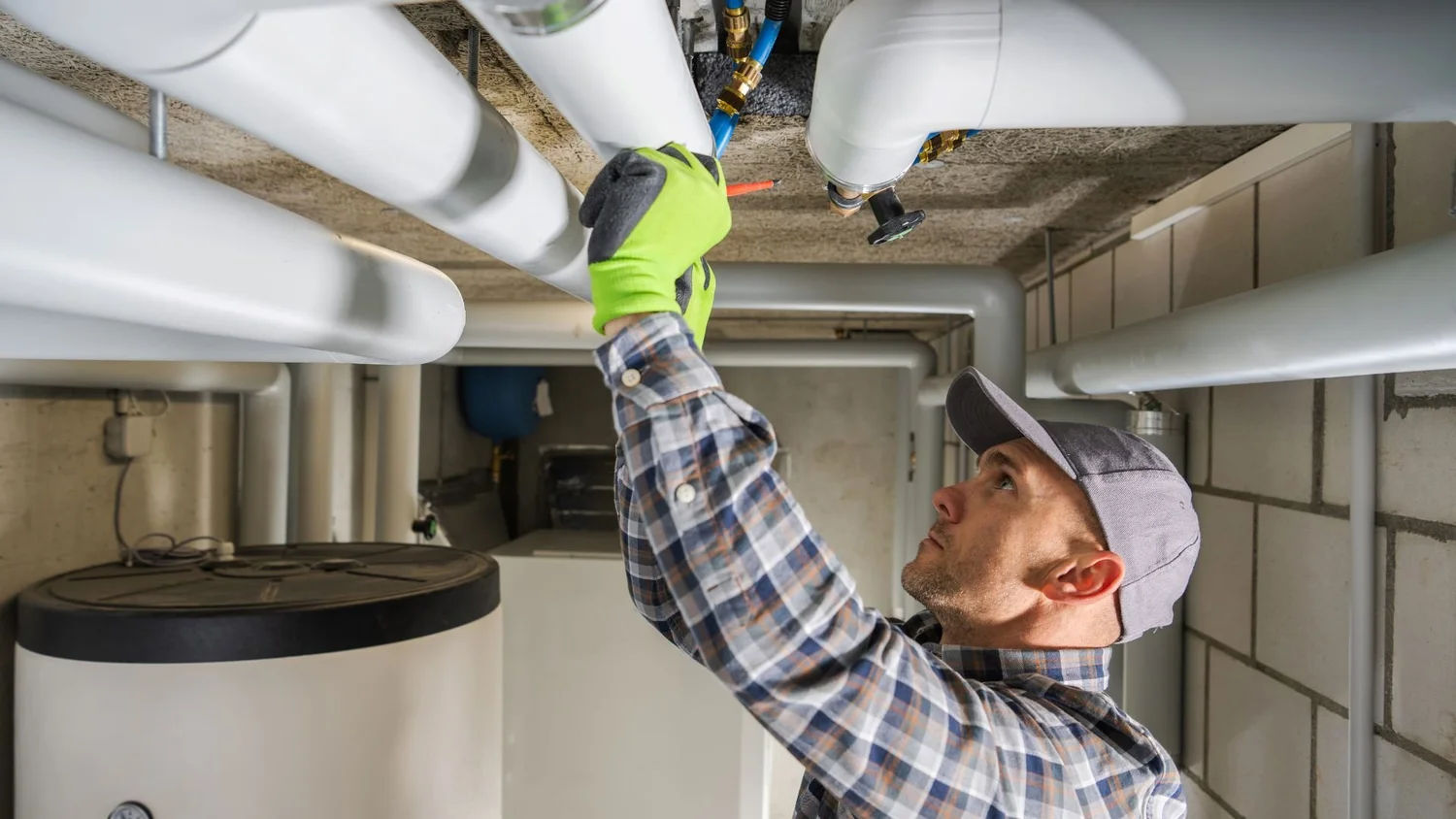
Most water loss goes unnoticed until someone pays for it.
A running toilet, a stuck valve or a slow leak behind a wall rarely shows up until the next utility bill. A burst pipe shows up all at once: in the suites below, in tenant operations and in the repair that follows.
A clearer view of where water is going, and a defined plan for when something goes wrong, helps your team act sooner on both.
- 01
Find waste between bills.
Flow monitoring and submetering show where and when water is being used, including overnight.
- 02
Catch leaks early.
Sensors at selected locations bring attention to moisture and unusual flow that warrant a look.
- 03
Plan for after-hours events.
Define who receives an alert and what happens if the first contact is unavailable.
- 04
Know how to intervene.
Determine where automatic or remote shutoff is appropriate.
- 05
Document what happened.
Support follow-up with a record of the event and the response.
Detect. Measure. Control. Respond.
SWS Indoor Water Management connects monitoring technology with a practical plan for action, overseen by the SWS Water Management team.
Detect
Identify conditions that need attention.
Moisture sensors and flow monitoring help identify potential problems at selected locations throughout the building.
Measure
See where the water goes.
Submetering with ultrasonic sensors, or sensors added to existing meters, with reporting and monitoring from SWS. Billing stays with you; SWS does not bill tenants.
Control
Plan how the water stops.
Where suitable valves are installed and configured, automatic shutoff can respond to defined trigger conditions. Remote shutoff provides another option for authorized teams.
Respond
Give every alert a clear next step.
Establish an escalation path for designated contacts, clarify responsibilities and document events for follow-up.
Automated sensor alerts operate 24/7. The SWS Water Management team works Monday to Friday, 7am–11pm ET. Monitoring coverage and shutoff capabilities depend on the equipment installed and the agreed system configuration. Fire-protection systems are excluded from automatic shutoff.
Start with the places where water matters most.
Every building has different plumbing, occupancy patterns and operating priorities. The assessment starts with where a leak would cause the most disruption and where water use is hardest to see.
Areas to discuss include
- Mechanical rooms and water-heating equipment
- Plumbing risers, shared washrooms and service areas
- Vacant suites and unoccupied tenant spaces
- Server rooms, warehouses and inventory storage
- Floors or suites where you need consumption data
- Locations with a history of leaks or high bills
Begin with one building or discuss priorities across your portfolio.
A clearer plan for your team. A clearer explanation for stakeholders.
Whether you report to an owner, a board, an asset manager or an investment committee, the questions are practical:
- 01Where are we exposed?
- 02Where is water being used, and where is it lost?
- 03When can water be shut off?
- 04Who receives alerts and takes action?
- 05What information will we have after an incident?
SWS helps frame the conversation around your building, your operations and your 2027 budget.
Managing a condominium? Leaks rarely stay in one suite.
A leak that starts in one suite can reach the units below, the common elements and the owners who share in the repair. The same approach works in condominium and rental buildings.
Common elements and suites.
Coverage can include mechanical rooms, risers and shared spaces, plus in-suite locations where access is arranged.
A clear scope for the board.
Show your board what is monitored, when water can be shut off and who is contacted.
Suite-level consumption.
Submetering data shows which suites or floors are driving use. SWS reports the data; billing decisions stay with the corporation or owner.
Owners away, suites empty.
Plan for alerts when owners are travelling or a suite sits vacant between occupants.
Outside the building, the same discipline applies.
In Ontario, SWS maintains, repairs and manages commercial irrigation systems, with monitoring and oversight from the SWS Water Management team.
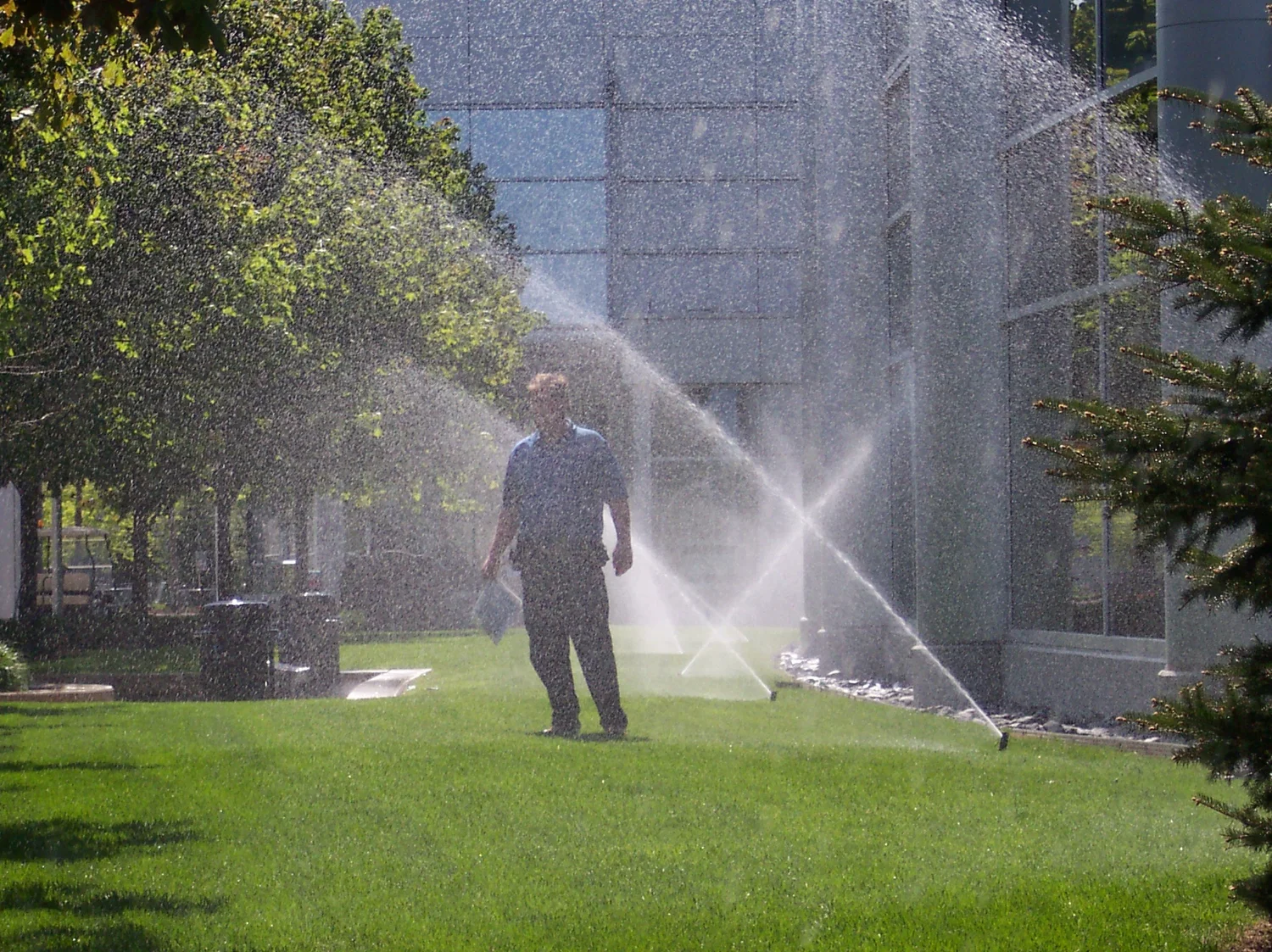
- Maintain
Spring start-up, in-season maintenance visits, repairs and fall winterization.
- Detect
Flow monitoring helps identify mainline breaks and unusual water use. Flow alarms on monitored sites are responded to within 48 hours, including weekends.
- Control
Where a master valve and flow sensor are installed, water can be shut off when a break is detected.
- Schedule
Weather-based scheduling adjusts watering to site conditions.
- Design
Irrigation design, retrofits and drip conversions for new and existing sites.
Setting 2027 budgets? Ask for maintenance pricing in the form below.
Ask about irrigationWater management in Toronto, answered plainly.
What is included in the free property assessment?
A site visit and written findings. We review the property’s plumbing, access and operating requirements, and where monitoring, submetering or shutoff could fit.
Can this be added to an existing building?
Yes, in most cases. Equipment selection and installation scope depend on the building and are confirmed during the assessment.
Does every leak trigger an automatic shutoff?
No. Automatic shutoff requires suitable installed equipment and configured trigger conditions. Some areas may use detection and alerts without automatic shutoff.
What happens after hours?
Automated sensor alerts and configured shutoff operate 24/7. The SWS Water Management team works Monday to Friday, 7am–11pm ET. Outside those hours, automation and your property’s contact chain handle the first response.
Do you bill tenants for submetered water?
No. SWS installs and monitors submetering and provides reports. Any billing stays with the owner, corporation or property manager.
Will this prevent all water damage?
No system can guarantee that every leak will be detected or all damage prevented. The goal is to improve visibility and support a more timely, coordinated response.
Can we discuss more than one property, or irrigation as well?
Yes. Tell us about your portfolio, the buildings you are most concerned about and whether you also need irrigation service. We can scope indoor and outdoor together.
Find the hidden water loss in your building.
Tell us what you manage and where you are concerned about water use or leak risk. The assessment is free: a site visit and written findings, so you can plan 2027 with real information.
Request Your Free Assessment
Prefer to call? 888.444.1530, Monday to Friday, 9am–5pm ET. Or email iwm@smartwateringsystems.ca for indoor water management, service@smartwateringsystems.ca for irrigation.